Mapping Your Ideal Brunch Outing: Timing, Table Strategy, and Menu Choices That Work
First, assess your brunch goals before picking a spot or time. Decide whether you’re after a quick catch-up, a lingering celebration, or a family-friendly meal with room for strollers and high chairs. Clarifying the occasion sets expectations for pacing and noise levels. From there, match the vibe to your group’s preferences, and identify any dietary needs that could influence the menu short list and seating plan.
Meanwhile, scope the menu for balance across savory, sweet, and lighter offerings. This helps everyone feel considered without over-ordering. Pair a rich plate with a fresh counterpoint: think one Benedict beside a salad or fruit-forward side. Shareables make sense for variety, but verify portion sizes with your server to avoid waste. This approach keeps costs predictable while leaving room for coffee or a finishing treat.
Beyond that, stage your timing around kitchen rhythms. Early arrivals often see faster ticket times and calmer rooms, while late-morning peaks can mean a festive energy but longer waits. If you plan to linger, signal that politely when booking. Restaurants can align pacing, so courses land when you want them, giving your group time to talk without food cooling or beverages running dry.
However, calibrate the table layout to the group dynamic. High-tops can energize a casual meet-up, whereas standard tables suit multi-course brunches. For families, request space for boosters and a path to the door. If you’re hosting a business brunch, ask for quieter corners where voices don’t carry. Small adjustments like these refine comfort and make conversation easier over the clink of mugs.
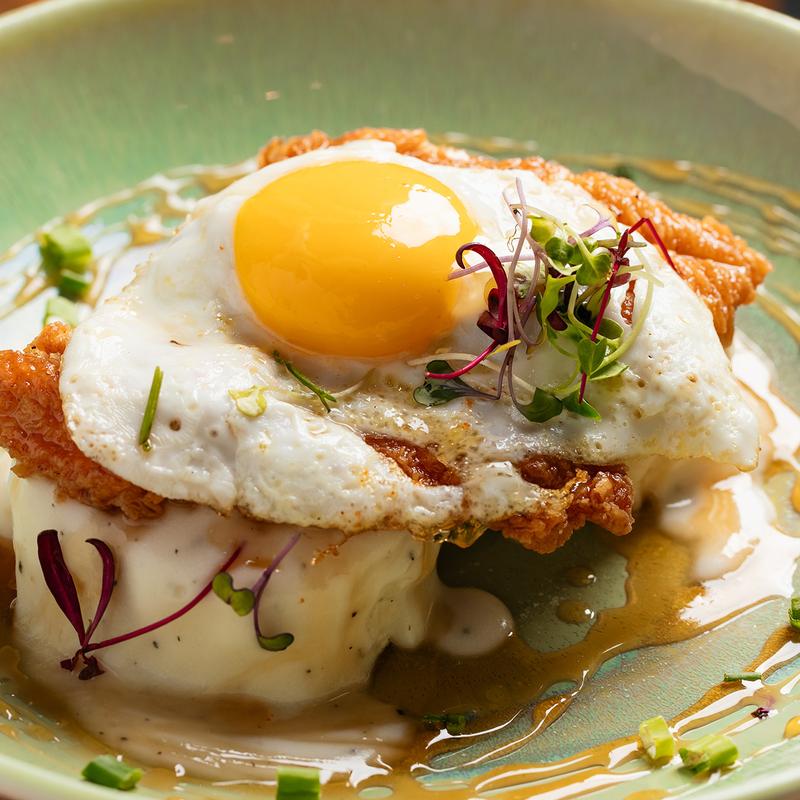
In practice, build a plate plan that mixes textures. Pair a crisped potato side with something silky like hollandaise, or contrast fluffy House-Made Pancakes with salty elements from a savory dish. If you love eggs, explore versions that vary in preparation so no two plates feel redundant. The goal is sensory variety without tipping into excess that slows the rest of your day.
Often, a smart selection includes a signature Benedict and a shareable sweet. Crab Cake Benedict brings briny richness that plays well beside berries or citrus. If you prefer char and depth, the Short Rib Bowl offers hearty satisfaction that still fits a morning window. For lighter eaters, Avocado Toast can anchor the table while others sample bolder flavors, keeping everyone engaged.
Then, account for dietary preferences and allergies early. Validate ingredient details with staff instead of guessing. Many kitchens can adjust components or sides to support gluten-free or vegetarian choices. When sharing plates, keep utensils and serving order clear so guests have what they need without cross-contact. Good documentation on the reservation helps the team prepare and avoid rework at the table.
Meanwhile, beverages deserve the same attention as food. Pace espresso drinks alongside water to buffer caffeine, and let sparkling options arrive with the first bites, not after. If someone prefers a slower flow, request staggered pours. This sequencing keeps conversation smooth, prevents rushed refills, and preserves the temperature and texture that make drinks feel special.
Finally, plan your exit without hurrying the meal. Inspect the table for leftovers worth packing, and confirm storage advice if you’ll be out for hours. If the group splits checks, verify how the restaurant handles that before you order to streamline the finish. A clear handoff lets staff reset quickly while your party leaves satisfied and on time for the rest of the day.
Ultimately, the brunch landscape rewards intention. When you phase decisions—occasion, timing, seating, menu, and beverage flow—you create a meal that fits budgets, honors dietary needs, and feels relaxed. A well-sequenced outing turns classics like Migas, Prosciutto Benedict, and Banana Nutella Pancakes into a cohesive experience rather than a pile of plates, and that’s what brings everyone back.